Cows Four Stomachs Functions Why Are Beef Plants Arranged the Way They Are
Quick facts
-
Ruminant stomachs have four compartments: the rumen, the reticulum, the omasum and the abomasum.
-
Rumen microbes ferment feed and produce volatile fatty acids, which is the cow's chief energy source. Rumen microbes also produce B vitamins, vitamin Yard and amino acids.
-
In calves, the esophageal grooves allows milk to bypass the rumen and direct enter the abomasum. Rumen evolution occurs following a alter in diet and microbial growth.
The digestive tract of the adult cow
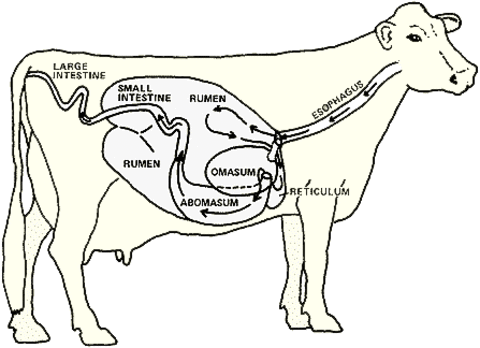
The cow's digestive tract consists of the following.
- Mouth
- Esophagus
- A 4-compartment stomach, which includes
- The rumen (paunch)
- The reticulum ("honeycomb")
- The omasum ("manyplies")
- The abomasum ("true stomach")
- Pocket-size intestine
- Large intestine
|
The rumen
The rumen (on the left side of the creature) is the largest stomach compartment and consists of several sacs. It can agree 25 gallons or more of material depending on the size of the cow. Because of its size, the rumen acts as a storage or property vat for feed.
Aside from storage, the rumen is likewise a fermentation vat. The rumen's environment favors the growth of microbes. These microbes digest or ferment feed within the rumen and make volatile fatty acids (VFAs). The rumen absorbs most of the VFAs from fermentation.
A good blood supply to the rumen walls improves absorption of VFAs and other digestion products. Tiny projections (papillae) line the rumen, which increases the rumen'south surface expanse and the amount it can blot.
The reticulum
The reticulum is a pouch-like structure in the forward surface area of the body, shut to the heart. The tissues in the reticulum form a network similar to a honeycomb. A small tissue fold lies between the reticulum and rumen, but the two aren't split compartments. Together they're chosen the rumino-reticulum.
Heavy or dense feed and metal objects eaten by the cow drop into this compartment. Nails and other sharp objects may piece of work into the tissue and cause "hardware disease." Y'all tin can use magnets to prevent affliction or right the problem through surgery. Leaving it untreated may lead to infection and perhaps decease.
The omasum
The omasum is a world-shaped structure containing leaves of tissue (like pages in a book). It absorbs h2o and other substances from digestive contents. Feed fabric (ingesta) betwixt the leaves will be drier than ingesta institute in the other compartments.
The abomasum
The abomasum is the only compartment lined with glands. These glands release hydrochloric acid and digestive enzymes, needed to breakdown feeds. The abomasum is similar to a nonruminant stomach.
The small intestine consists of three sections: the duodenum, jejunum and ileum. It measures well-nigh 20 times the length of the animal.
Secretions from the pancreas and gallbladder aid in digestion within the small intestine. The small intestine completes nigh of the digestive process and absorbs many nutrients through villi (pocket-size finger-like projections). From the villi the nutrients enter into the blood and lymphatic systems.
The cecum is the big area where the small and large intestine meet. The cecum breaks down some previously undigested fiber, just the verbal importance of the cecum remains unknown.
The large intestine is the last department of the tract that undigested feedstuffs pass through. Microbes digest some undigested feed here, but the main digestive function of the large intestine is to absorb water.
Digestive tract functions
|
Digestion produces 30 to l quarts of gas per hour in the rumen. Carbon dioxide and marsh gas are the master gases present. Cows must release this gas to avoid bloating. Under normal conditions, swelling from gas formation causes the cow to belch and release the gas.
Cows may spend 35 to forty per centum of each twenty-four hours ruminating (cud chewing). The amount of time spent ruminating depends on the diet. Trivial ruminating occurs when cows eat grain or finely ground rations. But when eating long hay, cows may ruminate for several hours.
Mature cattle spend trivial time chewing while eating feed. Thus, during balance periods, cows regurgitate (bring up) soft feed wads (cud) to re-chew and break into smaller pieces. They also re-salivate the feed and re-swallow it. This process makes the feed easier for the microbes to digest.
The rumen contracts and moves continuously. Healthy cows have 1 to ii rumen contractions each infinitesimal. Poor rumen motion may signal a sick fauna. When the rumen contracts it
-
Mixes contents
-
Brings microbes in contact with new feedstuffs
-
Reduces flotation of solids
-
Moves materials out of the rumen
A cow's salivary glands can make and add 50 to 80 quarts of saliva to the rumen daily. Saliva has several functions in cows.
-
It provides liquid for the microbes.
-
Information technology recirculates nitrogen and minerals.
-
It buffers the rumen.
-
Saliva keeps the rumen pH betwixt 6.2 and 6.8 for best digestion of forage and feedstuffs.
-
Cattle rarely vomit. Sometimes certain feeds will induce vomiting. A few pasture plants, commonly weeds, contain compounds chosen alkaloids that tin cause airsickness. Work with a veterinarian if this problem continues.
Rumen microbes assimilate uncomplicated and complex carbohydrates (fiber) and convert them into VFAs. VFAs mainly consist of acetic, propionic and butyric acids and provide 50 to 70 percent of the cow'south energy, see figure ane.
Nutrition can affect the amounts of each VFA microbes produce.
-
High forage diets result in more acetic acid forming (60 to 70 per centum of total) than propionic (15 to 20 pct) and butyric acids (5 to 15 percent).
-
More than grain or finely ground forages tin cause the amount of acetic acid to pass up to 40 pct, while the corporeality of propionic acid may increase to twoscore pct.
Such changes in VFA production usually chronicle to a reduction in milk fatty test.
Microbes digest virtually 30 to 50 percent of the cobweb units, cellulose and hemicellulose, in the rumen. 60 percent or more of the starch is degraded depending on the amount fed and how fast ingested materials move through the rumen. Most sugars get completely digested within the rumen.
VFAs absorb into the bloodstream from the rumen and move to the body tissues including the udder. One time in the tissues, the cow uses VFAs as a source of energy for
-
Maintenance
-
Growth
-
Reproduction
-
Milk production
Non all consumed proteins become broken down in the rumen, (meet figure 2). Through fermentation, protein is converted to ammonia, organic acids, amino acids and other products. About 40 to 75 percent of the natural protein in feed gets broken downwardly.
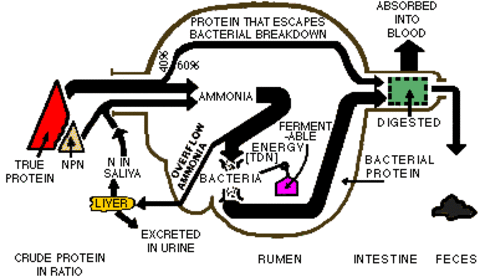
The corporeality of breakup depends on many factors including:
-
The ability of the protein to dissolve
-
How resistant the protein is to breakdown
-
How fast the feed passes through the rumen
Aside from protein breakdown, nonprotein nitrogen (NPN) sources besides provide ammonia. NPN sources include urea, ammonium salts, nitrates and other compounds. Many rumen microbes need ammonia to grow and build protein. Rumen microbes catechumen ammonia and organic acids into amino acids to use for building protein.
Virtually of the extra ammonia absorbs into the bloodstream from the rumen. Merely pocket-size amounts may pass into the lower digestive tract and blot there. Feed poly peptide (not broken down in the rumen) and microbial protein pass to the abomasum and pocket-size intestine for digestion and absorption.
Rumen microbes make vitamin Thou and all B vitamins. Microbes make enough of these vitamins for cattle growth and maintenance. Thus, under about weather condition, cattle with healthy rumens don't need added B vitamins or vitamin M in their diet. Cows under stress may need added niacin (B3) and thiamine (B1).
Most fat digestion and assimilation occurs in the small intestine. Cows blot more than saturated fat than simple-stomach animals. This is because rumen microbes modify unsaturated fatty acids to saturated fat acids by calculation hydrogen molecules. Feeding a lot of unsaturated fatty acids tin can be toxic to rumen leaner, irksome fiber digestion, and lower rumen pH.
Calf digestive system
The rumen, reticulum and omasum remain undeveloped at birth and during the starting time few weeks of life. The dogie'due south largest breadbasket compartment is the abomasum. At this stage of life, the rumen doesn't function and thus some feeds that mature cows can digest, calves can not.
|
During nursing or saucepan feeding milk bypasses the rumen and directly enters the abomasum via the esophageal groove. Reflex action (e.chiliad. when the dogie nurses) closes the groove to form a tube-like structure. This prevents milk or milk replacer from entering the rumen. If the calf drinks milk rapidly, some may overflow into the rumen.
The rumen volition remain undeveloped as long as the calf stays on milk. Once the dogie begins eating grain and forage, a microbial population volition develop in the rumen and reticulum. The end products from microbial fermentation are responsible for developing the rumen. Calves don't need cud inoculation to kickoff rumen evolution.
Feeding grain with or without forage during the outset few weeks of life will event in larger and heavier papillae growth in the rumen. Thus, the rumen will begin operation like the adult's when the calf is three months old.
Reviewed in 2021
Source: https://extension.umn.edu/dairy-nutrition/ruminant-digestive-system
0 Response to "Cows Four Stomachs Functions Why Are Beef Plants Arranged the Way They Are"
Postar um comentário